
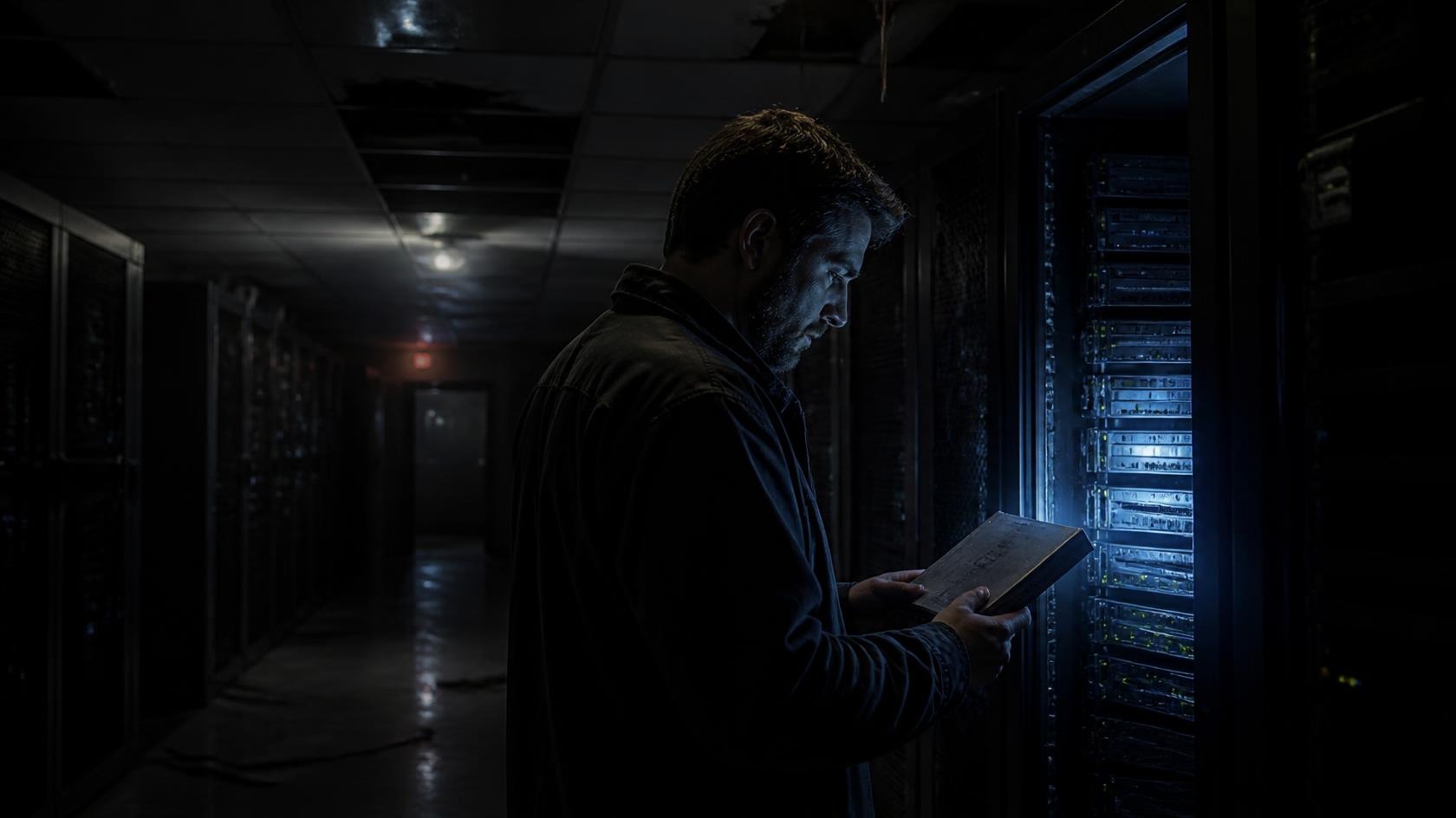
On October 16, 2026, Minister of Digital Transformation Oksana Ferchuk said that Kyiv data centers had suffered massive strikes. Many of them were hit and stopped working. Despite this, digital government services keep running. “We prepared for such strikes,” she explained.
Kyiv data centers: what happened
Strikes on Kyiv data centers have continued since late September:
- On September 23, a data center at the Parkovyi exhibition center was hit for the first time. By October 1 it had stopped completely, and client data moved to backup sites in EU countries.
- On September 25, the Datagroup data center was damaged. Client data survived, and services run from backup sites.
- In the same days, data centers and equipment of several hosting providers and internet operators also suffered. Some lost equipment, and subscribers in several regions were left without connection.
Why government services did not stop
According to Ferchuk, the state and commercial companies had prepared for such attacks for several months. In particular, they reserved and duplicated resources.
- Three copies of data. State systems now keep data in three copies.
- At least two backup sites. Authorities should have at least two places for backups, and one of them can be a cloud provider in Ukraine or abroad.
- Separate storage. Regular backups are stored separately, including in underground data centers.
The minister also noted that Russia keeps its resources, including state ones, on its own territory. As a result, its digital services are less resilient.
What it means for business and institutions
The state survived because it prepared in advance. However, many communities, medical facilities, financial institutions and companies still keep all their servers in one data center. Their backups sit in the same building or do not exist at all.
The loss of such a data center means days or weeks of downtime and a risk of losing data forever. Also, backups save you not only from missiles: they are the main protection against ransomware too.
Check yourself with three simple questions:
- Where are your servers physically, and do you have a second site?
- Do you have a backup outside the main data center, and when did you last test a restore?
- How many hours can your organization work if the main data center disappears?
Read also: The government orders all authorities to create cybersecurity teams; Ransomware in 2026: what the new Bitdefender report shows; Microsoft releases an out-of-band Exchange Server update.
How S-byte can help you prepare
- Cloud solutions and data protection. We set up backups under the rule of three copies on different sites, including the cloud in Ukraine or abroad.
- Disaster recovery plan. We define critical systems, acceptable downtime and the switchover procedure, and then test that backups really restore.
- IT consulting and cybersecurity. We design resilient infrastructure on equipment from our partners, including Dell.
- Information security audit. We find single points of failure before they become a problem.
- Technical support with SLA. We make sure backups work every day, not only on paper.
Do not wait for a strike on your data center. Contact S-byte, and we will help you set up backups and a recovery plan.